Kingston Road wedding flowers for New Malden venues
Posted on 11/10/2026
Planning wedding flowers can feel oddly high-stakes. One minute you are choosing roses and ribbons, the next you are worrying about whether the bouquet will suit the ceremony room, the dinner tables, the late-afternoon light, and the whole mood of the day. That is exactly why Kingston Road wedding flowers for New Malden venues deserve a proper plan, not just a quick order. The right flowers do more than look pretty. They tie the venue together, soften the space, and make the photos feel calm, polished, and personal.
If your wedding is happening in or around New Malden, you also have a very practical advantage: local florists know the area, the delivery rhythm, and the kind of setups that actually work in real venues. And, truth be told, that local knowledge matters more than people expect.
Table of Contents
- Why Kingston Road wedding flowers for New Malden venues Matters
- How Kingston Road wedding flowers for New Malden venues Works
- Key Benefits and Practical Advantages
- Who This Is For and When It Makes Sense
- Step-by-Step Guidance
- Expert Tips for Better Results
- Common Mistakes to Avoid
- Tools, Resources and Recommendations
- Law, Compliance, Standards, or Best Practice
- Options, Methods, or Comparison Table
- Case Study or Real-World Example
- Practical Checklist
- Conclusion
- Frequently Asked Questions
Why Kingston Road wedding flowers for New Malden venues Matters
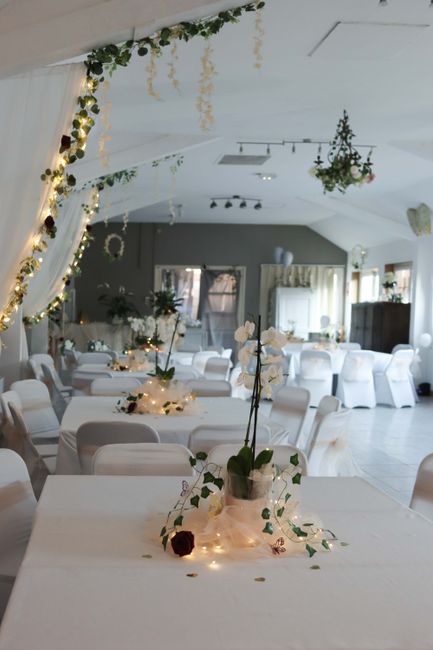
Wedding flowers are not just decoration. They are one of the quickest ways to make a venue feel intentional. A bright hall with plain tables can feel warm and elegant with the right centrepieces. A small ceremony room can suddenly feel lifted and romantic when the entrance, registrar table, and aisle are balanced with colour and texture.
For New Malden venues, the local setting often shapes the design more than people realise. You may be dealing with compact reception spaces, quick room turnarounds, shared access points, or narrow delivery windows. Flowers need to work with all of that. A bouquet that looks stunning in a studio can behave differently once it is in a warm room, near a doorway, or under strong indoor lighting. That is normal. It is also why local planning helps.
Kingston Road wedding flowers for New Malden venues also matter because weddings are full of moving parts. The florist is not just arranging stems. They are timing delivery, matching colour stories, making sure buttonholes stay fresh, and helping the whole day feel seamless. When the flowers arrive in good condition, in the right order, and on time, you notice it immediately. When they do not, well, everyone notices that too.
Expert summary: The best wedding flowers for a New Malden venue are the ones that suit the space, survive the schedule, and support the atmosphere you want without turning delivery day into a drama.
There is also an emotional side. Flowers help people recognise the day as special before the music starts. Guests walk in and sense that something has changed. The room feels softer. The photographs start making sense. The whole event gains a visual rhythm, and that is not a small thing.
How Kingston Road wedding flowers for New Malden venues Works
The process is usually simpler than couples expect, but it works best when you treat it as a sequence rather than a shopping list. First comes the venue. Then the theme. Then the floral format. That order matters because the venue tells you what the flowers need to do.
For example, a venue with long tables may suit low arrangements that preserve sightlines. A smaller room may benefit from taller, lighter pieces so the table space does not feel crowded. If the ceremony and reception are in the same place, your flowers may need to move between areas. In that case, flexibility counts just as much as beauty.
Most wedding flower plans for New Malden venues include some combination of the following:
- Bridal bouquet
- Bridesmaid bouquets
- Buttonholes and corsages
- Registrar table flowers or ceremony focal pieces
- Table arrangements or centrepieces
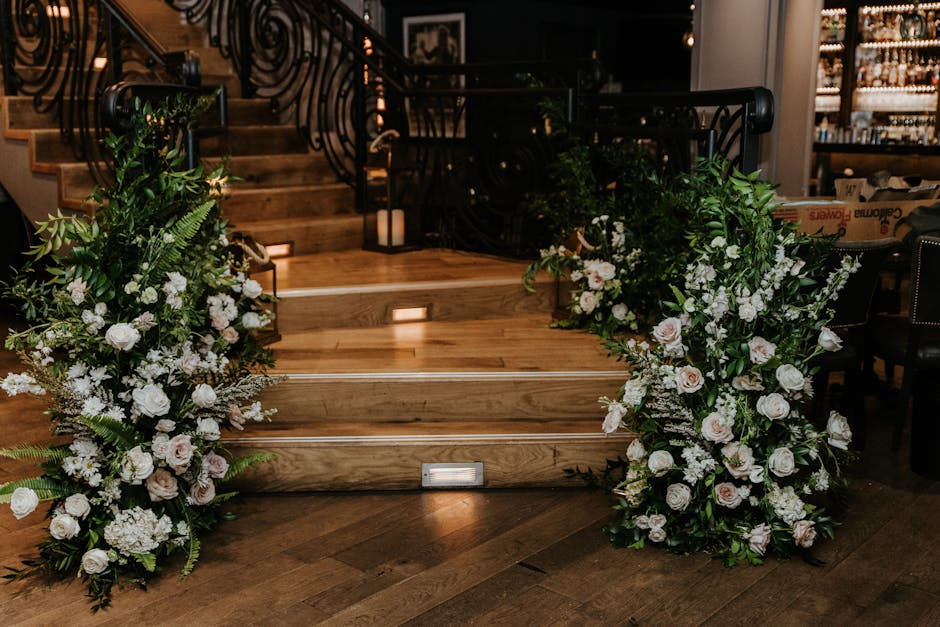
- Optional entrance flowers, pew ends, or staircase accents
That said, not every wedding needs every item. A very elegant day can be built from a single bouquet style, a few buttonholes, and carefully chosen table flowers. Simpler can be smarter. To be fair, simpler is often easier to keep beautiful.
Locally, Kingston Road is useful because it connects planning conversations to actual delivery logistics. The florist can factor in travel timing, parking, access, and how much handling the flowers will need before they are placed. If you have ever tried to carry a full arrangement through a narrow venue corridor in heels while someone asks where the cake knife is, you will understand why this matters.
A good florist also thinks about seasonal availability, stem strength, and colour matching. White roses, lisianthus, orchids, hydrangeas, and mixed seasonal blooms each create different effects. Some are classic and formal. Some feel looser and more garden-like. Some hold up especially well in warm rooms. The choice is not only aesthetic. It is practical.
Key Benefits and Practical Advantages
There are a few clear reasons couples choose a local florist approach for wedding flowers in New Malden.
1. Better venue fit
Flowers can be sized and styled for the real room, not an idealised version of it. That means fewer awkward oversized pieces and fewer arrangements that disappear in a large space.
2. Easier coordination
When flowers are planned locally, it is usually easier to coordinate delivery times, ceremony start times, and venue access. That reduces stress. And weddings have enough of that already.
3. More useful guidance
A florist with local experience can suggest formats that suit the venue type. For example, a compact ceremony space may benefit from bridal and table flowers that do double duty, while a larger reception may need stronger table pieces to hold the visual line.
4. Better freshness and presentation
Shorter delivery routes often help flowers arrive looking crisp. That does not mean every bloom will behave identically, of course, but it usually helps with condition and timing.
5. Easier last-minute adjustments
Weddings are famous for tiny changes. One extra buttonhole. One fewer guest table. One family member who suddenly asks whether the top table can have more flowers because "it feels a bit empty". Local ordering makes those changes easier to handle.
There is another advantage too: local search and local service pages often make it simpler to find matching bouquets, wedding collections, and supporting products in one place. For example, you can compare seasonal colours or bridal pieces alongside broader wedding options like wedding collections and individual formats such as bridal bouquets and table arrangements.
Who This Is For and When It Makes Sense
This approach is a strong fit for couples who want flowers that feel tailored, not generic. If your venue is on or near Kingston Road, or your guests are gathering in New Malden, local wedding flowers make sense when you want the floral design to feel connected to the setting rather than imported from somewhere else with no regard for the room.
It is especially useful if you are:
- planning a small-to-medium wedding where every detail is visible
- working with a venue that has limited setup time
- choosing a classic wedding palette and want the flowers to feel refined
- looking for a straightforward, reliable floral plan without lots of moving parts
- trying to keep the day cohesive across ceremony, reception, and photos
It also suits couples who like having a few decisions made for them. Flowers can be surprisingly exhausting to plan if you try to micromanage every bloom. Sometimes it is better to define the feeling first: soft and romantic, clean and modern, lush and traditional, or seasonal and relaxed. Then build from there.
If you are planning a civil ceremony, a registry-style event, or a reception at a local hall, Kingston Road wedding flowers for New Malden venues can help create a sense of occasion without overcomplicating the budget or the setup.
Step-by-Step Guidance
Here is a practical way to approach the process without getting overwhelmed.
- Start with the venue layout. Walk through where the ceremony, entrance, dining area, and photo moments will happen. Notice the size of tables, the lighting, and any fixed features that flowers need to complement.
- Choose the visual mood. Do you want classic whites, soft pastels, rich reds, mixed seasonal colour, or something more modern and minimal? A clear mood makes every later choice easier.
- Decide on priority pieces. For many couples, the most important items are the bouquet, buttonholes, and table centrepieces. If budget is tighter, build the plan around those first.
- Select flower types and colours. Classic roses, lilies, orchids, lisianthus, and hydrangeas each behave differently. Some are fuller. Some are airier. Some say "traditional wedding" at a glance. Others feel more contemporary.
- Check practicality. Consider heat, travel, vase stability, and the amount of handling needed on the day. A pretty arrangement that topples easily is not a good arrangement. Simple as that.
- Confirm timings and access. Make sure delivery windows, venue access, and set-up details are clear. If the room changes over quickly, tell the florist early.
- Plan for the after-use. Some flowers can be reused from the ceremony to reception. Others work best in one place only. Repurposing can stretch your budget nicely.
A small but important point: tell your florist about any strong scent preferences. A room full of heavily scented flowers can be lovely for some guests and overwhelming for others. The sweet spot is usually better than the extreme, even if "more blooms" feels tempting in the moment.
Expert Tips for Better Results
After planning many wedding flower arrangements in the local context, a few patterns show up again and again. The couples who get the best results tend to think beyond colour swatches and focus on the lived reality of the day.
Pick one star flower family, then support it
Trying to use too many statement flowers can make the design feel busy. If roses are doing the heavy lifting, let them be the focus and use supporting blooms to add shape and movement.
Use the venue's existing style wisely
If the room already has character, you do not need to fight it with overly dramatic arrangements. Lean into the architecture. A calm room can handle something richer. A heavily detailed room may need cleaner flowers so it does not feel crowded.
Think in sightlines
Guests should be able to talk across the table. If centrepieces are too tall or too dense, they can block the feel of the room. Low arrangements often work beautifully for dining areas because they look generous without becoming a barrier.
Plan the bouquet as part of the whole picture
The bridal bouquet is not isolated. It should make sense beside the bridesmaids' flowers, buttonholes, and table pieces. A bouquet that is wildly different from the rest can look accidental rather than distinctive.
Use seasonal cues when you can
Seasonal flowers often feel more relaxed and natural, and they can support a better overall value. If you are getting married in late spring or summer, for example, you may lean toward lighter, fresher textures. In cooler months, richer tones can feel more appropriate and grounded.
One more thing: do not over-edit your first instinct too early. People sometimes begin with a gorgeous idea and then sand it down until it feels safe but forgettable. You do not want that. A little personality goes a long way.
Common Mistakes to Avoid
These are the mistakes that quietly cause problems. Not dramatic ones, usually. Just the sort that make the day a bit harder than it needed to be.
- Ordering before understanding the venue. Flowers chosen in isolation can end up too big, too small, or simply not suited to the room.
- Ignoring delivery timing. If flowers arrive too early and sit around, they may not look their best by the main event.
- Choosing too many colours. A crowded palette often looks less luxurious than a focused one.
- Forgetting buttonholes and smaller items. These little pieces matter more than people think. They pull the look together.
- Not asking about substitutions. Seasonal changes happen. A good florist will guide you if a stem needs replacing.
- Assuming every arrangement can be reused. Some pieces move well from ceremony to reception. Others are better left where they are.
- Leaving final counts too late. Guest lists change, and floral quantities should reflect the final plan where possible.
One of the most common issues, honestly, is trying to make everything look equally important. It is better to have a strong hierarchy: a few focal points, then supporting flowers that keep the room coherent. Not every surface needs to shout.
Tools, Resources and Recommendations
You do not need fancy software to plan wedding flowers well. But a few simple tools make the process much smoother.
- Venue floor plan or seating sketch: useful for deciding where centrepieces, entrance flowers, and focal pieces belong.
- Colour reference images: real photos from the room, sample fabrics, dress details, or invitation colours help avoid guesswork.
- Guest count: gives a clearer idea of how many tables, buttonholes, and supporting pieces you may need.
- Timeline notes: helpful for delivery, photography, ceremony start times, and any room changeover.
- Flower care guidance: for keeping personal flowers fresh before the ceremony.
If you want to browse a broader range of styles, it can help to look at a florist's general selection and compare wedding-specific pieces with broader seasonal choices such as white wedding collections, romantic themed collections, and mixed arrangements like centrepieces with roses, orchids and lisianthus.
It is also sensible to review policies and support pages before confirming anything. A florist's delivery information, returns and refund terms, and guarantees can tell you a lot about how they handle real-world issues. That is not the glamorous part of wedding planning, but it is the part that helps you relax.
For day-to-day care after delivery, a quick read of the florist's flower care guidance can be useful too, especially if any pieces need to wait before being displayed.
Law, Compliance, Standards, or Best Practice
Wedding flower planning is not heavily regulated in the way some other industries are, but there are still good practices worth following. If flowers are being delivered to a venue, the florist should respect venue access rules, loading arrangements, and any health and safety requirements set by the site. This is usually straightforward, but it should still be confirmed in advance.
Good practice also includes clear communication around allergies, scent sensitivity, and candle proximity if flowers are being placed near other decorative elements. A florist should be careful about practical placement, especially in indoor spaces where guests will be seated for a long period.
From a consumer perspective, clarity matters. You should know what is included, what is optional, how substitutions are handled, and what happens if timings shift. That kind of transparency is part of professional service, even when the wedding itself is joyful and a little chaotic.
If sustainability matters to you, it is reasonable to ask how flowers are sourced, packed, and delivered. Local floristry often offers ways to reduce waste through smarter ordering, reusable vessels, and choosing flowers that make sense for the season. The exact approach will vary, but asking the question is perfectly normal.
For business customers or venue teams managing repeat events, related support such as corporate accounts can sometimes be relevant for broader floral planning, though weddings usually need their own dedicated setup.
Options, Methods, or Comparison Table
There is no single right way to plan wedding flowers. The best method depends on venue style, budget, guest count, and how much floral impact you want. Here is a simple comparison that may help.
| Approach | Best for | Strengths | Possible drawback |
|---|---|---|---|
| Simple bouquet-led plan | Intimate weddings, tighter budgets | Clean, elegant, easy to coordinate | May feel understated in a large room |
| Balanced ceremony and reception plan | Most New Malden venue weddings | Creates continuity across the day | Needs more coordination |
| Statement floral display plan | Formal receptions, photo-led weddings | High visual impact, memorable backdrop | Usually more expensive and less flexible |
| Seasonal mixed design | Couples who want a natural look | Fresh, textured, often good value | Can vary depending on flower availability |
If you are unsure, a balanced plan is often the safest starting point. It gives you enough floral presence for the room without pushing the budget into difficult territory. Then you can add one or two strong feature pieces if needed.
For couples comparing specific wedding styles, it can help to look at a more curated option such as a themed wedding collection or a tailored set like I Cherish You wedding collection. That kind of collection-based approach can simplify decisions a lot.
Case Study or Real-World Example
Here is a realistic example from the kind of wedding flower planning that comes up often in New Malden. A couple wanted a calm, elegant look for a small venue near Kingston Road. They had a civil ceremony, a modest reception, and about a dozen tables. Nothing extravagant. Just tasteful, well-finished, and easy to manage.
Instead of spreading the budget thinly across every possible floral item, they chose a focused plan: a bridal bouquet, matching bridesmaid bouquets, buttonholes for key people, and low table arrangements in a soft white-and-green palette. They kept the design consistent, but not rigid. The flowers had enough variation in texture to feel alive, not flat.
The result was practical. The bouquet photographed well in natural window light. The table arrangements did not block conversation. The buttonholes were easy to pin and looked neat in the ceremony photos. Most importantly, nothing felt rushed or overdone. The room had a sense of occasion without screaming for attention.
That kind of outcome is often what couples want once they see it in person. Not the biggest display. The right display. There is a difference, and people notice it.
Practical Checklist
Use this checklist before confirming your Kingston Road wedding flowers for New Malden venues.
- Venue name, layout, and access details are confirmed
- Ceremony and reception timings are clear
- Bridal bouquet style is chosen
- Bridesmaid bouquet count is final
- Buttonhole and corsage numbers are confirmed
- Table arrangement count matches the seating plan
- Colour palette is agreed
- Seasonal substitutions are understood
- Delivery window is booked
- Flower care instructions are shared with the right person
- Budget priorities are set
- Any fragrance or allergy concerns have been discussed
- Reuse of ceremony flowers at reception has been considered
- Final contact details are up to date
If you can tick those off, you are in a very good place. Not perfect. Just properly prepared. Which is better.
Conclusion
Kingston Road wedding flowers for New Malden venues are about more than choosing attractive stems. They are about creating a setting that feels right for the room, the schedule, and the people in it. A thoughtful floral plan can make even a modest venue feel graceful, personal, and far more memorable.
The best results usually come from keeping things clear: understand the venue, choose a strong mood, prioritise the key pieces, and leave room for practical guidance. That approach saves stress and gives the flowers a better chance to do what they do best.
And really, that is the whole point. The flowers should support the day, not run it.
Get a free quote today and see how much you can save.
If you are ready to turn your ideas into something beautiful, start with the venue, the palette, and the feeling you want guests to carry with them. The rest tends to fall into place, one stem at a time.
Frequently Asked Questions
What are Kingston Road wedding flowers for New Malden venues?
They are wedding floral arrangements planned with local New Malden venues in mind, often using Kingston Road as a practical reference point for delivery and service. The idea is to match flowers to the venue, timing, and overall wedding style.
How far in advance should I book wedding flowers?
As early as possible, especially if your date is in a busy wedding season. Booking early gives more time to finalise colours, quantities, and any special design requests without feeling rushed.
Can I use the same flowers for the ceremony and reception?
Often, yes. Many arrangements can be moved from one part of the day to another, provided they are designed with that in mind. The florist should advise which pieces are easy to repurpose and which are best left in place.
What flowers work best for a New Malden wedding venue?
That depends on the room, season, and style of the day. Roses, lisianthus, orchids, lilies, and hydrangeas are common choices, but the best option is the one that suits your venue and holds up well in the environment.
Do I need a full floral package for my wedding?
No. Some couples only need a bouquet, buttonholes, and a few table pieces. A smaller, well-edited plan can look more elegant than an overfilled one.
How do I choose the right colour palette?
Start with the venue, dress details, and the mood you want to create. Soft whites and greens feel classic, pastels feel romantic, and richer tones can add warmth and drama. If you are unsure, choose one main colour family and one supporting tone.
Are local florists better for weddings than online-only services?
Local florists often have an advantage when venue access, delivery timing, and last-minute coordination matter. That local awareness can make the day run more smoothly, especially if the setup window is tight.
What should I ask before placing my order?
Ask what is included, whether substitutions may be needed, how delivery works, what the setup timing is, and whether flowers can be reused later in the day. If you have fragrance or allergy concerns, mention those too.
Can wedding flowers be adjusted to fit a tighter budget?
Yes. The usual approach is to prioritise the most visible pieces first, then simplify the rest. A smaller number of carefully chosen arrangements often gives better value than spreading the budget too thinly.
What if my venue has unusual access or limited setup time?
Then it is even more important to tell the florist early. Limited access can affect delivery timing, the size of arrangements, and how much assembly is practical on site. Good planning makes a big difference here.
How do I make sure my flowers look good in photos?
Choose arrangements with shape, depth, and contrast, not just colour. Flowers that suit the room and your outfit will usually photograph better than oversized pieces that fight the space.
Can I get guidance on matching bouquets with buttonholes and table flowers?
Yes, and you should. A cohesive wedding look usually depends on the bridal bouquet, bridesmaid pieces, buttonholes, and table arrangements all speaking the same visual language. It does not need to be identical, just harmonious.